

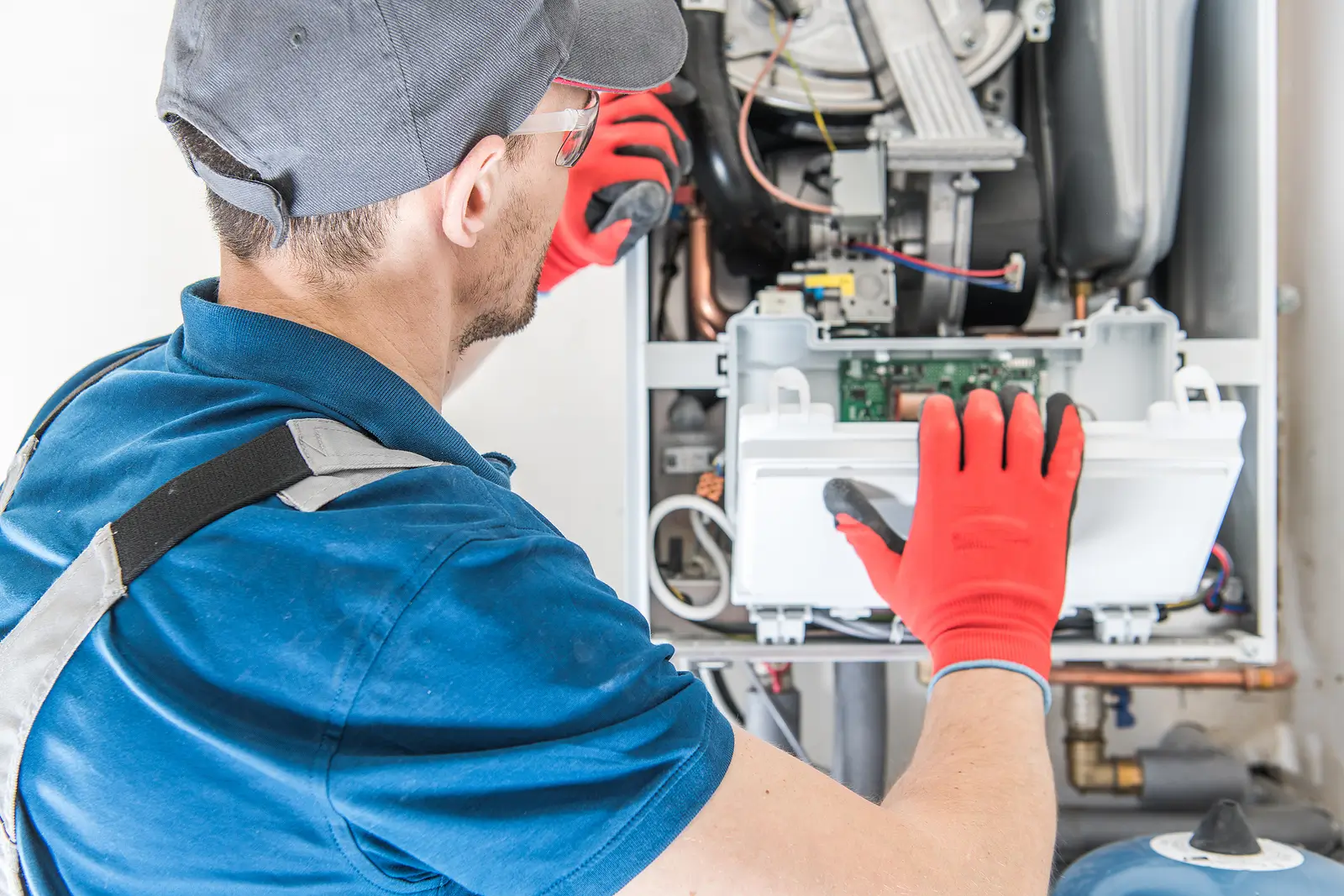
When the Furnace Dies at Midnight, the Clock Already Started
A tenant's heat goes out on the coldest night of the year, and your phone lights up with a message you can't put off until morning. In Colorado, that message starts a legal clock, not just a maintenance ticket. Under the state's Warranty of Habitability Act, landlords across Metro Denver and South Metro Denver have a strict window to respond once they're notified of a hazard that threatens a tenant's life, health, or safety. Miss that window, and a routine repair can turn into a legal liability. PMI Elevation has spent years helping owners throughout Denver property management and the surrounding South Metro communities stay ahead of these deadlines, and this guide breaks down exactly what the 24-hour rule requires, why it exists, and how to build a response system that protects both your property and your tenants.
Key Takeaways
The 24-hour clock starts the moment you have notice of a condition that materially interferes with a tenant's life, health, or safety, not when it's convenient to check on it.
Not every repair falls under the 24-hour standard. Conditions that make a unit fully uninhabitable get a 72-hour window instead, but both require prompt action.
You must contact the tenant within 24 hours of notice, even if the repair itself takes longer to complete.
Alternative housing may be required if a hazard can't be fixed quickly and the unit is unsafe to occupy.
Documentation is your best defense. Colorado law requires landlords to keep habitability records for the duration of the tenancy plus 3 years thereafter.
What Counts as an Emergency Under Colorado's Habitability Law
Every rental agreement in Colorado carries an implied promise: the unit must be fit for human habitation when the tenant moves in, and it must remain so for the entire tenancy. That promise is broken when a property becomes uninhabitable or develops a condition that seriously interferes with a tenant's life, health, or safety, and the landlord fails to act after being notified.
The Conditions That Trigger the Fastest Response
Loss of heat during winter, a failed water heater, exposed wiring, a gas leak, or a broken lock that leaves a unit unsecured are hazards that typically fall into this category. As Colorado landlord-tenant law explains, landlords must begin repairs within 24 hours of receiving notice of hazardous conditions affecting life, health, or safety, including sudden loss of utilities or heat.
What it means: If a tenant reports no heat in January, you don't have a few days to schedule a technician. You have 24 hours to start the repair process, and the clock doesn't pause on weekends or holidays.
Real-world example: A tenant in a South Metro Denver rental reports a broken furnace on a Friday evening. The landlord must begin remedial action, whether that's dispatching a technician or arranging a temporary heat source, within 24 hours, not waiting until the following Monday.
24 Hours vs. 72 Hours: Two Different Clocks
Colorado law separates hazards into two response tiers, a distinction added when the legislature strengthened the Warranty of Habitability Act through HB19-1170. Conditions that materially interfere with a tenant's life, health, or safety fall under the 24-hour window. Broader habitability failures that render a unit uninhabitable, but don't pose the same immediate danger, fall under a 72-hour window instead.
Why the Distinction Matters for Landlords
Either way, the legal obligation is to commence action within that window, not necessarily finish the repair on the same day. Landlords are also required to contact the tenant within 24 hours of receiving notice, with a communication outlining the intended repair timeline.
What it means: Even if parts are backordered, or a contractor can't arrive same-day, you're still required to start the process and keep the tenant informed. Silence is what creates legal exposure, not a delayed part shipment.
What Qualifies as Valid Notice From a Tenant
Notice doesn't have to arrive as a formal letter. A landlord is considered to have notice of a hazardous condition through written communication from a government entity, a third party, written correspondence between the tenant and maintenance staff, or a message sent by the tenant in whatever manner the tenant typically uses to reach the landlord. A text message, an email, or a note through a maintenance portal can all count.
This is exactly why a documented maintenance coordination process matters. When every request is logged with a timestamp, you have proof of exactly when the clock started, which protects you if a dispute ever arises.
When Alternative Housing Becomes Required
If a hazard can't be resolved quickly and the unit is unsafe to occupy, the law doesn't stop at repairs. When a condition materially interferes with life, health, or safety, remedial action must include providing the tenant, at their request and within 24 hours, a comparable dwelling unit or a hotel room at no cost to the tenant.
What it means: A landlord can't simply tell a tenant to wait it out once a unit becomes genuinely unsafe. If the tenant requests temporary housing, the landlord must provide it within 24 hours of the request, in addition to addressing the underlying repair.
Real-world example: A pipe bursts flooding a unit's only bathroom. If the tenant requests alternative housing while repairs are underway, the landlord must arrange a comparable unit or hotel room, sized to match the tenant's current sleeping arrangements, within 24 hours of the request.
Why Documentation Isn't Optional
Every notice, every repair timeline, and every communication should be recorded. Colorado law requires landlords to maintain accurate records of habitability notices and remedial actions for the entire period of the tenant's occupancy, and for at least 3 years afterward. Owners who work with a property manager benefit from built-in accounting and reporting systems that automatically create this paper trail, rather than relying on scattered texts and phone calls.
For the complete statutory language, landlords can review Colorado Revised Statutes Section 38-12-503 directly.
Frequently Asked Questions
Does the 24-hour rule apply to every maintenance request?
No. It applies specifically to conditions that materially interfere with a tenant's life, health, or safety, such as the loss of heat or water, or a security hazard. Routine repairs like a leaky faucet fall under different, less urgent timelines.
What happens if a landlord misses the 24-hour window?
Missing the window can create a presumption that the landlord breached the warranty of habitability, which can expose the owner to legal claims, rent offsets, or even lease termination rights for the tenant.
Can a property manager help track these deadlines?
Yes. A property manager with a structured maintenance intake and documentation process, as the one PMI Elevation uses across its Metro Denver and South Metro Denver portfolio, helps ensure every notice is logged, every deadline is met, and every response is properly documented.
Let Your Next Emergency Call Be One You're Ready For
Colorado's habitability law leaves little room for delay once a hazardous condition is reported, and the difference between a fast, documented response and a missed deadline can be the difference between routine maintenance and a legal claim. PMI Elevation helps landlords throughout Metro Denver and South Metro Denver build the systems that keep them compliant, responsive, and protected. Contact our team today to schedule a consultation and see how proactive maintenance management can safeguard your investment.